
For the past few weeks, a new series on Channel 4 has been taking the viewer to the dark – and often disturbing – side of cleaning.
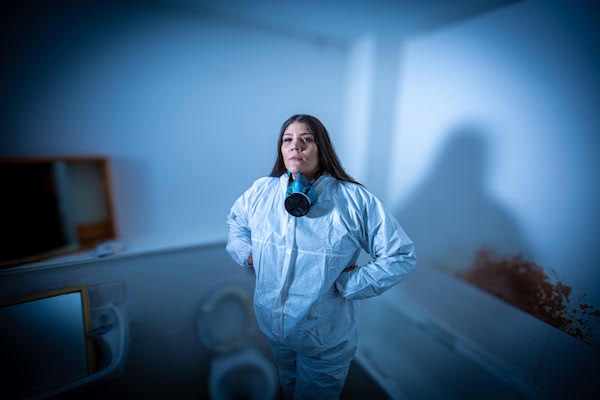
The saying goes, 'It's a dirty job but someone's gotta do it,' and in Milton Keynes, that someone is Shontel Cameron, director of MK Critical Cleans.
Viewers of Crime Scene Cleaners saw Shontel allow the television cameras in while her team made safe a property in Milton Keynes, which involved an unattended death.
She spent a few years working on behalf of other companies, before she decided to break out on her own, launching her business in the pre-pandemic world of 2019.
But it was in 2022 when Shontel decided to up the ante, training in biohazard cleaning.
“That’s when we expanded into more specialist services, including trauma and crime scene cleaning. It's been a challenging but incredibly rewarding journey ever since,” she told Sammy Jones.
What made you take the plunge and go 'all in' to the world of grime?
“The name 'Critical Cleans' attracted a lot of enquiries for extreme deep cleans and biohazard work, even in the early days,” she explained, “But when I started attending quotes for these jobs, I realised I didn’t have the right training or skills to help the people reaching out to me. That lit a fire in me, I wanted to be more than just another cleaner. I wanted to be someone who could step into difficult situations and make a real difference.”

Today, MK Critical Cleans is exactly that – a service capable of tackling the jobs that others simply wouldn't touch.
But it's not all about cleaning the nasties. There is a compassion necessary to do this job – often, situations have arisen due to poor physical or mental health.
“Many of the people I met felt ashamed of their environments and struggled to ask for help. “Knowing they had the courage to contact me, and seeing the trust they placed in me, pushed me to take that next step and specialise in biohazard cleaning.”
Having compassion is essential, and Shontel is well-trained in that, too – something she learned not on a course, but at the school of life.
“Growing up in the care system, I know how hard it can be when you don’t have support. “Sometimes all it takes is one person to believe in you, show up, and help. That can completely shift someone’s mindset and even change their life.
“Many of these situations are deeply personal and emotionally difficult,” she admits, “We approach every job with professionalism and genuine compassion.
“Often, we’re not just cleaners, we’re a listening ear, a voice of reassurance, and sometimes the first person a client has opened up to in a long time. We’ll signpost them to support services, encourage them to reach out to their GP or loved ones, and be that steady presence in a tough moment.
“That human connection is what really sets our work apart.”
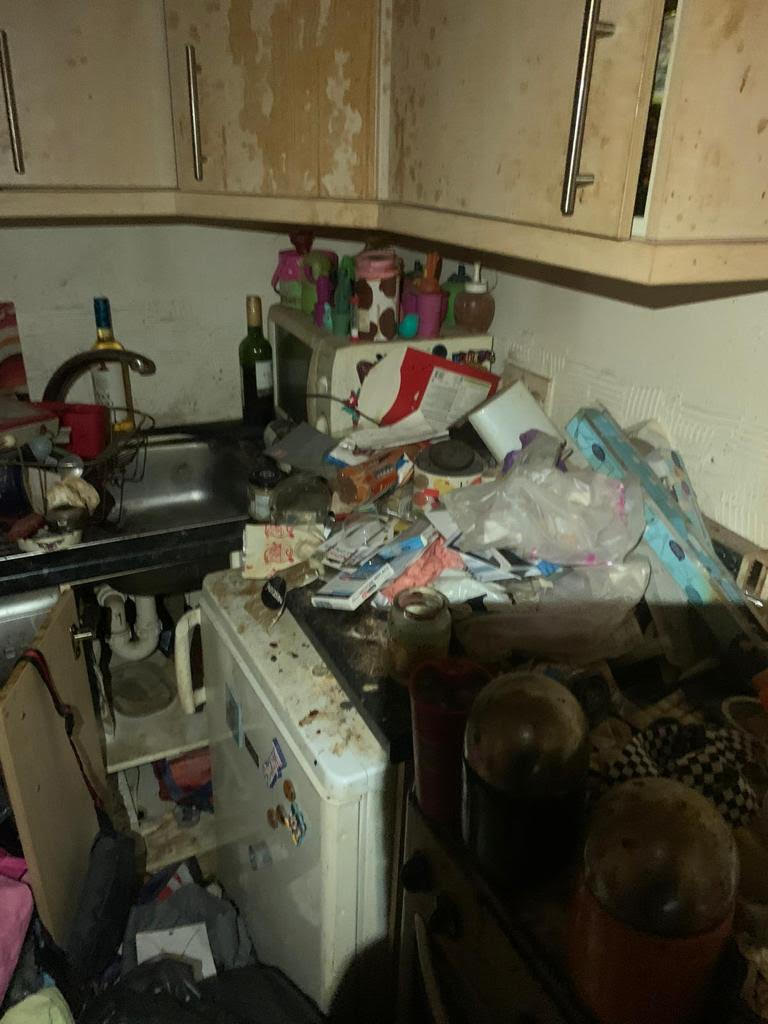
Before
There is a real balance to be struck too; when a hoarder gets in touch for help, it's not as simple as 'just' clearing the property – often, the owner wants support but can justify why every last little piece of paper should be held onto. How do you navigate those jobs?
“It really depends on the person and where they’re at emotionally. Some clients are ready for a full clear-out and want a fresh start. In those cases, we often carry out the work while they’re not present, as being around can feel overwhelming. Our team carefully works through their belongings, cleans the space, and makes it feel homely again. We make informed decisions about what can be cleaned or saved, and clients usually let us know if there are specific things they’d like us to look out for.”
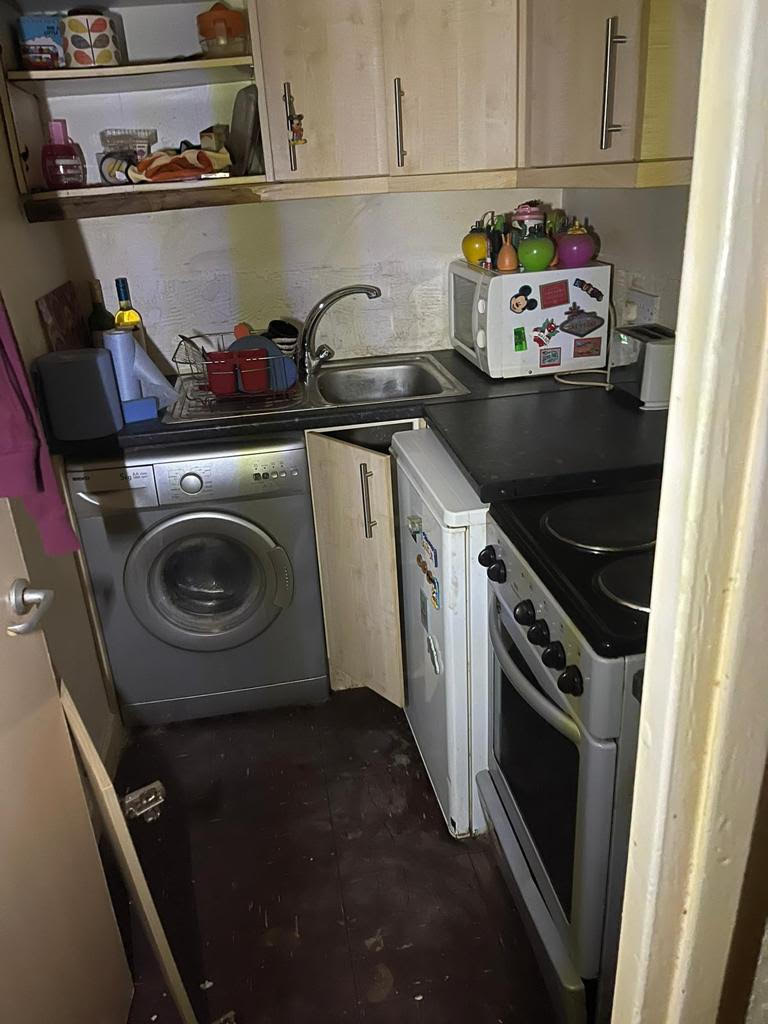
After Shontel and her team have worked their magic
But if that isn't the case?
“...that can be more challenging. People’s mindsets can shift quickly; one minute they’re ready to let go, and the next, the anxiety kicks in. If they’re holding on to sentimental items, we’ll explore options, can we store it better, can it be cleaned, or could it be replaced? Sometimes we frame it in a way that helps ease the decision, like asking what their loved one would have wanted. “If they’ve lost someone and were supported by somewhere like Willen Hospice, they often feel more at peace donating items to a charity that helped them, rather than sending them to the landfill.
“It’s about that compassion, communication, and helping them take back control, one step at a time.”
Being a biohazard cleaner means Shontel and her team work in mould remediation and chemical waste removal, and can be called upon to clean up crime scenes.
“We’re also called out to attend attempted suicide cleans more often than people might realise and those jobs really stay with me. They’re not just about cleaning a space, they’re about helping someone take a step forward after what may have been the darkest moment of their life. It’s a privilege to be trusted in those situations.”
Crime scenes can take their toll. Attending the aftermath of a horrific attack, including murder, can't possibly be seen as 'simply another job' for this Bletchley-based company. Can it?
“It’s not always easy,” she responds, “People think you can just switch off, but the truth is, you often lie awake at night thinking about what you’ve seen. Sometimes clients share the details, other times you’re left trying to piece things together in your own head. The hardest part is when it involves tragic circumstances. Those ones stay with you,” Shontel admits.
“But as tough as it can be, it also gives you perspective. It makes me appreciate my own life, what I’ve built, and the positive impact we’re able to have on others.”
Every job that Shontel oversees would seem remarkable to most of us, but when biohazard is involved, it's par the course. Even so, some jobs leave their mark.
Shontel Cameron: 'It’s more than just a job, it’s purpose'
“One that stands out was a hoarding support clean where the client hadn’t had heating or electricity for over a year. The property had deteriorated so badly that contractors refused to enter for safety reasons.
“The client had been using the bathtub as a toilet. It was completely filled and overflowing with thick, sludgy waste. With no lighting, no hot water, and years of build-up, it was one of the most physically and mentally challenging cleans we’ve ever done.
“Sadly, that wasn’t a one off. We’ve completed several jobs in homes without even the most basic amenities.”
And sometimes, it's not only people they face in their role. One commercial biohazard job in the capital saw Shotel and her team under the watchful gaze of...rats.
“A shop had been abandoned by the owner who left all the food stock behind. Over three years it had turned into a breeding ground for rats. Hundreds of them had taken over the store and had unrestricted access to the shelves,” Shontel remembers.
“What was supposed to be a three day clean stretched to over a week because the rats would come back each night, dragging food and nesting materials in through a hole in the back of the shop. “When we finally signed the job off, they were literally watching us pack up like they were waiting for us to leave so they could reclaim their turf.”
While called further afield on occasion, more than half of the jobs carried out by MK Critical Clean are carried out in and around the new city, with Bedfordshire, Northamptonshire and wider Buckinghamshire also catered for.
The saying that 'you get out what you put in', is totally apt here: “Seeing someone’s home transform back into a clean, livable space is powerful. Often when we first arrive, clients are tearful, not just because of the mess, but because they’re overwhelmed, frustrated, lonely or feel stuck. But by the time we finish, those tears often turn into relief, joy, and sometimes even laughter.
“We see people getting their lives back, and feeling hope and encouragement they didn’t have before.
“I know what it’s like to feel unsupported or lost,” Shontel reasons, “That’s why I’m so driven to show up for people at some of their lowest points, not just to clean their space, but to guide them through it and remind them that things can get better.
“It’s more than just a job, it’s purpose.”